As the riding season begins after winter storage for most riders, motorcycle owners are being reminded to give their tyres a careful inspection before heading back onto the road. Months of inactivity can affect tyre condition, pressure and worn, or damaged tyres can significantly reduce grip and stability. A quick but thorough check can help riders avoid unnecessary risks and ensure their bikes are ready for the season ahead.
One of the first things riders should check is the tyres' date of manufacture. This information is stamped on the tyre sidewall in a four-digit code indicating the week and year it was produced. Even if a tyre appears to have plenty of tread remaining, rubber compounds degrade over time. Safety experts recommend that once a tyre reaches five years of age, it should be inspected annually by a qualified professional to ensure it remains safe to use.
Tyres that are more than ten years old should be replaced regardless of their apparent condition. Over time, exposure to oxygen, temperature changes and UV light causes the rubber to harden and lose flexibility, reducing grip and increasing the likelihood of failure.
Riders should also check the tread depth. In the UK, the legal minimum tread depth for motorcycle tyres is 1 mm across at least three-quarters of the tyre’s width around the entire circumference. Most tyres include built-in tread wear indicators that show when the tyre has reached this limit. If the tread is level with these indicators, the tyre needs to be replaced.
Visual inspection is equally important. Riders should look closely for cracking, splits, cuts or bulges in the tyre surface or sidewall. These can develop during long storage periods or from previous impacts with potholes or debris and may indicate structural weakness.
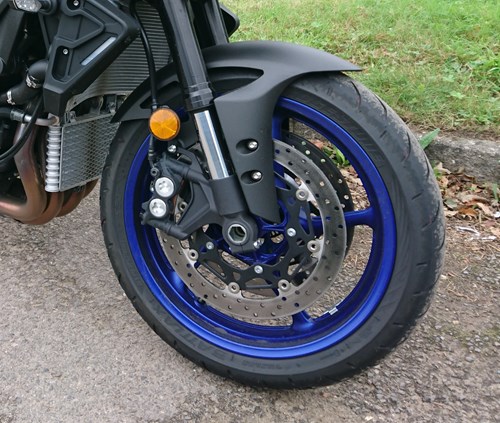
Finally, tyre pressures should always be checked before the first ride of the year and on a regular basis throughout the riding season. Tyres naturally lose pressure over time, particularly when a bike has been stored for several months. Ensuring the tyres are inflated to the manufacturer’s recommended pressures will improve handling, extend tyre life and help keep riders safe on the road.